Sunday, 20 July 2014

Take Charge Of Your Health With A Fingertip Pulse Oximeter

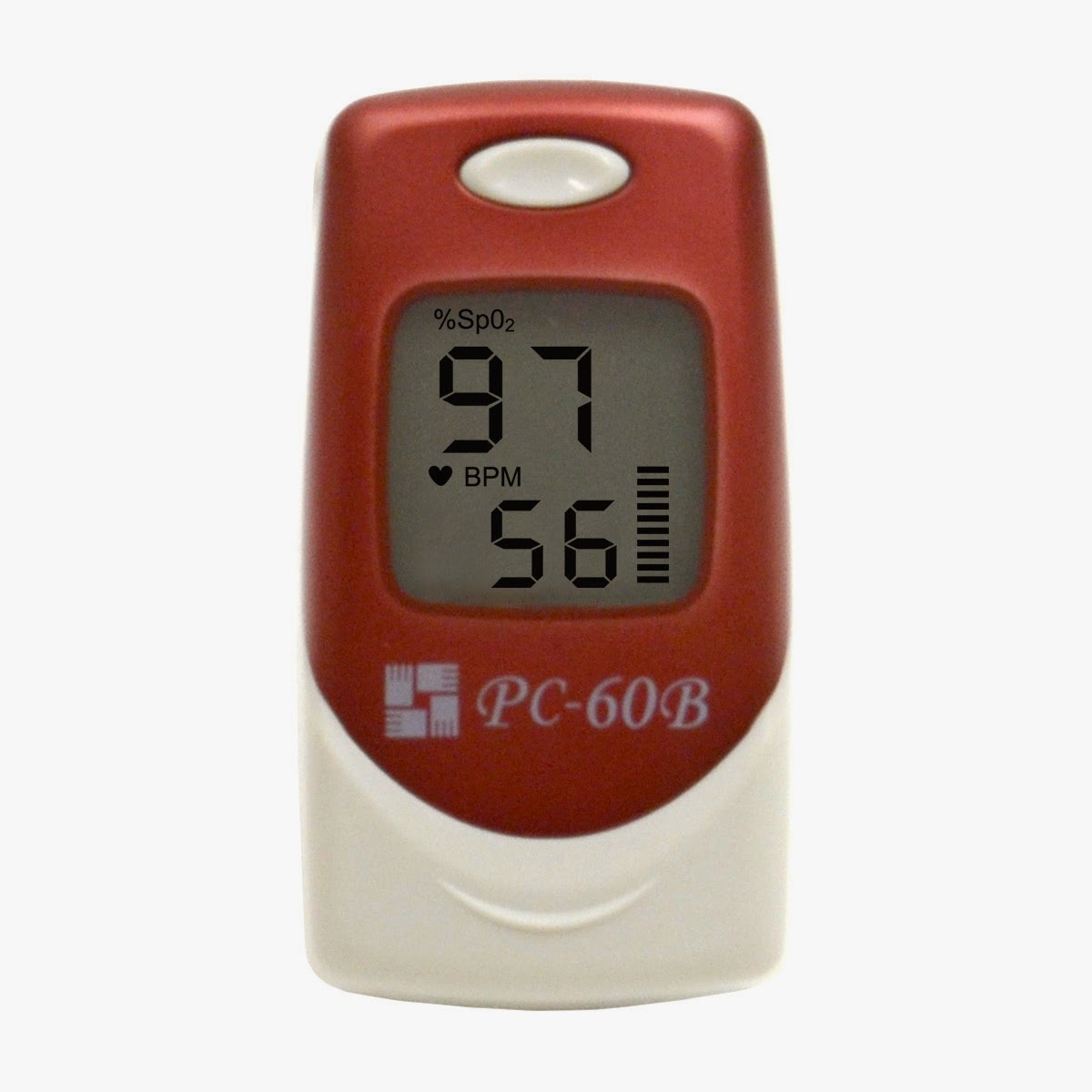
Do you suffer from chronic obstructive pulmonary disease (COPD)? Asthma? Sleep apnea? Monitoring your blood oxygen saturation level (SpO2) and pulse rate (BMP) can be useful for many chronic conditions. A Fingertip Pulse Oximeter passes two wavelengths through your finger to a photodetector to measure SpO2 and BMP in a non-invasive and painless way.

For a healthy person, the normal percentage range of blood saturation will typically be 95 to 99 percent. If the level falls below 80 percent, hypoxemia develops. This is a fancy term for low oxygen in the blood, but it can have side effects such as shortness of breath, trouble sleeping, and a chronic cough.

Hypoxemia can occur in high altitudes and when diving. It can also be a problem for patients undergoing anesthesia during an operation. All of these situations require special monitoring, and the development of cheap, portable fingertip pulse oximeters makes this simple.

So why should you Buy a Pulse Oximeter to take charge of your health? If you have a chronic condition that benefits from monitoring then the answer is obvious. But even if you’re relatively healthy, they can come in handy if you want to start a new exercise program and are concerned about how hard you’re pushing your heart, or if you want to start exercising again after recovering from illness or surgery. If you have asthma, a pulse oximeter can help you avoid triggering an attack during your workout.

So for obvious reasons this cheap, easy-to-use device can be a good thing to have around the house. Even if you don’t require constant monitoring and don’t need to keep it with you at all times, pick one up for the first aid kit. When you need it, you’ll be glad you did.

Wednesday, 16 July 2014

How A Portable Pulse Oximeter Device Can Improve Your Health


A portable pulse oximeter can be a useful monitoring tool for improving your health. Specifically, a pulse oximeter monitors blood oxygen saturation level (SpO2) and pulse rate (BMP), which can be valuable data if you suffer from certain chronic conditions.


People with COPD (chronic obstructive pulmonary disease), sleep apnea, or asthma can benefit from blood oxygenation monitoring. Patients with other respiratory or cardiac problems may also find a pulse oximeter to be useful. If you have asthma, it can be especially helpful to monitor your SpO2 while working out to avoid pushing yourself too hard and provoking an attack.

But even if you are a healthy individual, you may find this device to be useful. Some athletes wear a portable pulse oximeter, typically on their fingertips, to monitor lung function efficiency during their workout. If you undertake a new exercise regimen with a personal trainer, she may have you wear an oximeter to gather data on how well your body is adapting to the new routine. But since these devices are so inexpensive and simple to use, you can purchase one for yourself and easily track your training data.

If you plan to travel to a high altitude spot or go diving on your next vacation, a pulse oximeter can be helpful in these situations as well. Both high altitudes and increased water pressure from deep diving can lead to situations where oxygen is reduced in your system, resulting in dangerous hypoxemia. This can cause shortness of breath, chronic coughing, and trouble sleeping.

Portablepulse oximeters are simple devices that have multiple uses. Even if you don’t have a chronic condition that requires ongoing monitoring, why not pick one up for your first aid kit? You never know when it might come in handy.

Thursday, 10 July 2014

Pulse Oximeters And How They Are Used


There are several types of pulse oximeters. All measure the same thing – blood oxygen saturation level (SpO2) and pulse rate (BMP) – but they do it in slightly different ways.


Finger Pulse Oximeter

The fingertip version of a Pulse Oximeter clips on to your fingertip, passing two wavelengths, red and infrared, through your skin. A photodetector tracks the oxygenated blood, which absorbs the red light, and the deoxygenated blood, which absorbs the infrared light, then calculates a percentage based on these two measurements.

Hand Held Oximeter

Hand held units provide the same functionality of finger pulse oximeters but are slightly larger and provide a larger data display. These units are often capable of storing and reporting long histories of data, so they are very useful for long-term tracking of a chronic condition.

Pediatric Oximeter

This specialized hand-held unit has a probe for measuring the blood oxygenation of infants and children. The state of New York recently mandated Pulse Oximeter testing of all infants before they are sent home from the hospital as a preventative screening to check for congenital heart defects.

Sleep Unit Oximeter

If you suffer from sleep apnea or sleep hypopnea, collecting data during your sleep cycle can help your doctor monitor your health. These units are also sometimes used for suffers of COPD, chronic obstructive pulmonary disease.

All of these pulse oximeters can provide valuable medical information, whether used at home or by health case professionals. They can keep a patient safe while they under anesthesia during surgery, check the health of newborns, and help asthma suffers avoid an attack during workouts. They can help you return to a healthy level of exercise after recovering from illness. They are even used by divers and performance athletes to help them achieve their peak. For such an inexpensive, simple to use device, a pulse oximeter is an indispensible tool.


Thursday, 3 July 2014

How A Portable Pulse Oximeter Device Can Improve Your Health


A Portable Pulse Oximeter can be a useful monitoring tool for improving your health. Specifically, a pulse oximeter monitors blood oxygen saturation level (SpO2) and pulse rate (BMP), which can be valuable data if you suffer from certain chronic conditions.

 People with COPD (chronic obstructive pulmonary disease), sleep apnea, or asthma can benefit from blood oxygenation monitoring. Patients with other respiratory or cardiac problems may also find a pulse oximeter to be useful. If you have asthma, it can be especially helpful to monitor your SpO2 while working out to avoid pushing yourself too hard and provoking an attack.

But even if you are a healthy individual, you may find this device to be useful. Some athletes wear a portable pulse oximeter, typically on their fingertips, to monitor lung function efficiency during their workout. If you undertake a new exercise regimen with a personal trainer, she may have you wear an oximeter to gather data on how well your body is adapting to the new routine. But since these devices are so inexpensive and simple to use, you can purchase one for yourself and easily track your training data.

If you plan to travel to a high altitude spot or go diving on your next vacation, a pulse oximeter can be helpful in these situations as well. Both high altitudes and increased water pressure from deep diving can lead to situations where oxygen is reduced in your system, resulting in dangerous hypoxemia. This can cause shortness of breath, chronic coughing, and trouble sleeping.

Portable pulse oximeters are simple devices that have multiple uses. Even if you don’t have a chronic condition that requires ongoing monitoring, why not pick one up for your first aid kit? You never know when it might come in handy.

Monday, 30 June 2014

Fingertip Pulse Oximeter - What Does It Measure?


Pulse oximeters are medical devices designed to measure what percentage of the hemoglobin in your blood is oxygenated. Specifically, they measure blood oxygen saturation (SpO2) and your pulse rate (BPM).

Oximeters are indispensable in hospital surgery units to ensure patients are safe while under anesthesia. They are also critical in infant wards for testing the heart health of infants. In fact, oximeters are standard monitoring tools in any situation where a patient’s oxygenation might be unstable.

After their invention in 1972, these devices quickly spread through the medical community due to their usefulness in many situations. Modern Finger Pulse Oximeters are small and non invasive, and have moved into the home market. They can be especially useful to patients with respiratory or cardiac problems and those suffering from sleep apnea and sleep hypopnea.

Pulse oximetry is not a substitute for getting a laboratory checkup of blood gasses since it doesn’t measure blood pH and carbon dioxide levels, but if you need a quick and painless way to regularly check your levels, a Finger Pulse Oximeter is a great device. If you suffer from chronic obstructive pulmonary disease (COPD) an oximeter may help save your life.

Some athletes have begun wearing a pulse oximeter during exercise as a means of monitoring how efficiently they are training. You might find this useful if you are exercising in high altitudes, suffer from asthma, or are recovering from an illness. Keeping an eye on your oxygen levels while working out can help you monitor how hard you are pushing yourself and make sure that you don’t overdo it.

Pulse oximetry provides a quick, non-invasive way to monitor blood oxygenation and pulse rate, both of which may be a valuable tool in maintaining your health. Check with your doctor to see if one would be right for you.


Monday, 23 June 2014

Factors To Consider When Purchasing A Pulse Oximeter


A pulse oximeter is a simple device that measures SpO2, or blood oxygen saturation level, and pulse rate (BMP). Typically you attach a sensor to your fingertip or earlobe, or to a child’s foot to get a reading. For a healthy individual, blood oxygenation levels should be in the 95 to 99 percent range.

http://www.pulseoximetersplus.com/
 When purchasing a pulse ox, consider the features that will meet your needs. Units can cost anywhere from $30 to several thousand for the professional models used in hospitals. A simple device that provides accurate readings and is medically approved should be adequate for most home users.

If you want to pay a little more, you may get added features such as a color display and the ability to store and report long ranges of data. This feature can be very useful if you have a chronic condition you need to monitor and report back to your physician. If you have children, you may consider a pediatric oximeter or a hand held unit with a pediatric probe.

Testing the unit you choose against actual blood tests will guarantee not only the accuracy of the unit, but also that you understand how to use it correctly. Most reputable companies offer a refund on their products, so you can choose another unit if you find a discrepancy after comparison.

Other factors to consider include alarms and overall durability. Some patients need a pulseox with an audible alarm so they are alerted immediately to low oxygenation levels. As for durability, some units are designed to resist humidity or be shock resistant in case you drop them. It pays to do a little research to find out what features are available and which ones will be most useful to you.